
Table of Contents
I. What Are Brand-Name Medications?
II. What Are Generic Medications?
III. How Are Brand-Name and Generic Medications Different?
IV. FAQ: How can patients safely switch from a brand-name medication to a generic version?
Brand-name and generic medications treat the same conditions and contain the same active ingredient, but generic versions usually cost less and may look different. [1] Because of these differences in price and appearance, many patients wonder how generics compare with brand-name drugs and whether they provide the same results.
This guide explains how brand-name and generic medications differ and answers common questions patients may have when deciding between them.
What Are Brand-Name Medications?
A brand-name medication is the original version of a drug that is developed and marketed by a pharmaceutical company. This company researched and created the specific chemical compound responsible for the medication’s therapeutic effect. [2]
After a new drug receives regulatory approval, it is usually protected by a patent. The patent gives the manufacturer exclusive rights to produce and sell the medication for a set period of time.

During this time, other companies cannot manufacture the same drug. This exclusivity helps the original developer recoup the high costs of researching, testing, and bringing a new medication to market, a process that may require billions of dollars in investment. [2]
If you want to understand how new drug prices are set and why they can differ between the U.S. and Canada, read our article explaining how prescription drug pricing works in both countries.
Get savings updates for Your Medications
What Are Generic Medications?
A generic medication contains the same active ingredient as the brand-name drug and is designed to work the same way in the body. Generics must match the original medication in important ways, including:
- Intended use
- Dosage and strength
- Route of administration
- Safety profile
- Quality standards
- Method of administration [3]
These similarities are used to establish bioequivalence. Bioequivalence means the generic medication acts the same way in the body and produces the same therapeutic effect as the brand-name drug. Because of this, a generic medication can generally be used in place of the brand-name version. [3]
Once a brand-name patent expires, other manufacturers may produce generic versions. Because generic manufacturers do not have to repeat the original research and development process, generics are often available at a lower cost. [1]
Are Generic Medications Safe?
Yes. Generic medications must meet the same safety and quality standards as brand-name drugs. Manufacturers must demonstrate that the medication provides the same therapeutic effect as the brand-name drug. [1]
Why Are Generic Medications Cheaper?
Generic medications usually cost less because they are introduced after the original patent expires, and multiple manufacturers can compete on price. [1]
Brand-name manufacturers typically invest significant resources in research, development, and marketing. Those costs can contribute to the higher price of brand-name drugs. [2]
After the patent expires, other companies can produce generic alternatives. Increased competition often lowers prices, which is one reason generics are typically more affordable. [1]
For patients exploring ways to reduce prescription costs, our Canadian Pharmacies Guide for Americans explains how online Canadian pharmacies operate and what to know before ordering medications online.
Are Generic Medications Less Effective?
No. Generic medications are required to demonstrate bioequivalence, meaning they deliver the same active ingredient to the body in the same way as the brand-name drug.
Because of this requirement, generic medications are considered interchangeable with the original medication for most patients. [3]
Why Do Generic Medications Look Different?
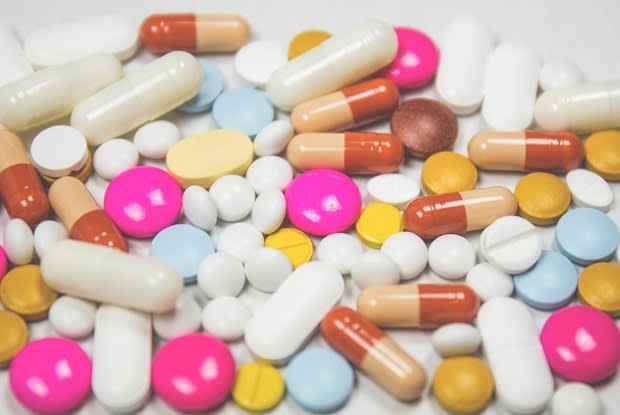
Generics can look different because trademark laws prevent them from matching the brand-name product’s appearance exactly.
As a result, generics may differ in color, shape, or packaging. These visual differences do not affect effectiveness. [3]

Why Don’t All Drugs Have Generic Versions?
Some medications do not have generics yet because the brand-name patent is still active or because legal and regulatory steps can delay generic release.
Drug patents typically last around 20 years. Once the patent expires, generic manufacturers may apply to produce alternatives. [4]
When a patent expires, drug companies may try to delay the release of generic alternatives by pursuing court cases and appeals. Because they risk losing significant future sales once generics enter the market, manufacturers sometimes file multiple, nearly identical patent infringement lawsuits to slow down competition. [5] Combined with stricter patent laws in the United States, this often means generic versions become available in other countries before they reach the U.S.
How Are Brand-Name and Generic Medications Different?
Most patients can expect the same treatment effect from a generic as the brand-name version, but the medication may look different or use different inactive ingredients. [1]
Brand-name and generic drugs contain the same active ingredient and are used to treat the same medical condition. They also share the same dosage strength, route of administration, and safety profile. [3]
Where they can differ is in inactive ingredients, color, shape, or tablet markings. These differences do not change how the medication works, but they can matter for patients with allergies or sensitivities to certain ingredients. [1]
If you want to better understand terms like active and inactive ingredients, our article Medical Words and What They Mean explains common terminology used in medication descriptions.
FAQ: How can patients safely switch from a brand-name medication to a generic version?
Patients can safely switch from a brand-name medication to a generic version by confirming with their doctor or pharmacist that a generic alternative is available and appropriate for their treatment. Generic drugs contain the same active ingredient and must meet the same standards for quality, strength, safety, and effectiveness before they are approved. Because of this, they are designed to provide the same therapeutic effect as the original brand-name medication.
If you are considering switching to a generic medication, the following steps can help ensure the transition is safe:
1. Speak with your doctor about generic alternatives
Start by asking your doctor whether a generic version of your medication is available. Some medications remain under patent protection and may not yet have a generic option, but many commonly prescribed drugs do.
2. Ask your pharmacist if substitution is allowed
Pharmacists are often able to substitute a generic medication for a brand-name drug. However, this depends on whether your doctor allows generic substitution on the prescription.
3. Review inactive ingredients if you have sensitivities
While the active ingredient remains the same, inactive ingredients used in manufacturing may vary slightly. Patients with allergies or sensitivities should review these ingredients with their pharmacist before switching.
The content in this article is intended for informational purposes only. This website does not provide medical advice. In all circumstances, you should always seek the advice of your physician and/or other qualified health professionals(s) for drug, medical condition, or treatment advice. The content provided on this website is not a substitute for professional medical advice, diagnosis or treatment.